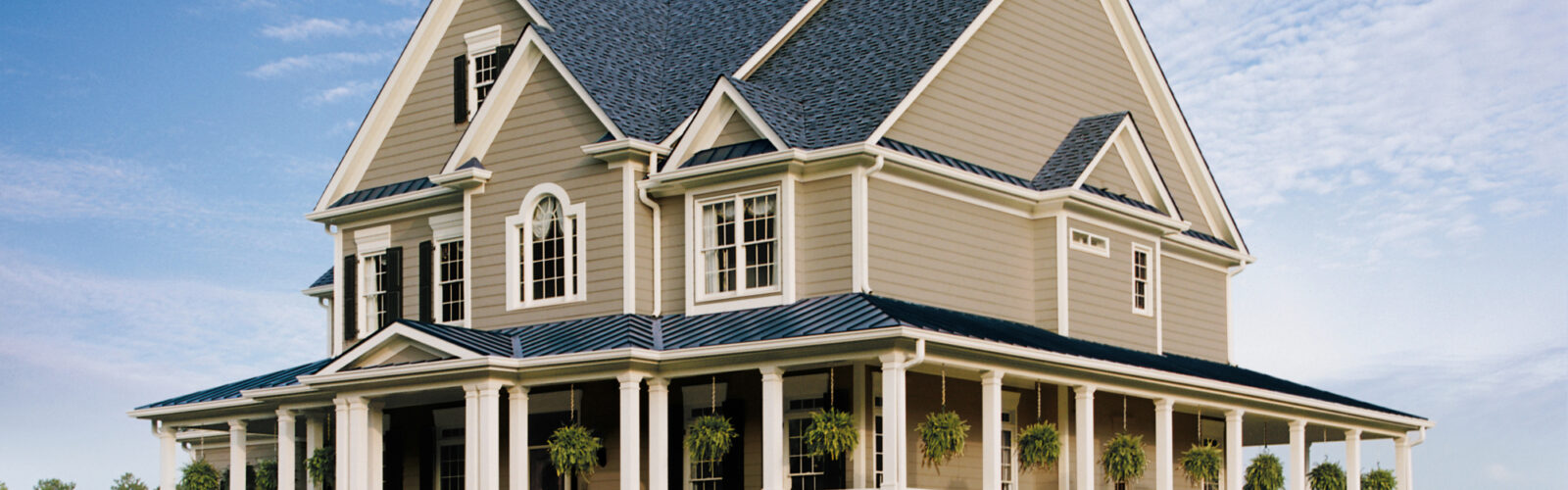
Exterior color trends have leaned heavily toward gray, but many builders are seeing a shift back toward warmer tones. Buyers still want a neutral palette, but one that feels more inviting and adaptable across different styles.
Accessible Beige meets that need. It offers a balanced, warm neutral that works across regions, materials, and home styles without feeling dated. For builders, that means a color that supports both design flexibility and broad buyer appeal.
What Accessible Beige Looks Like
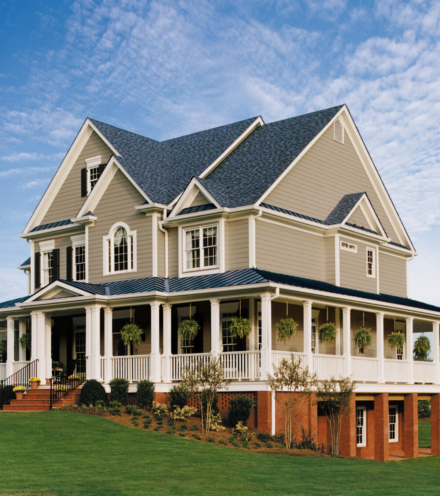
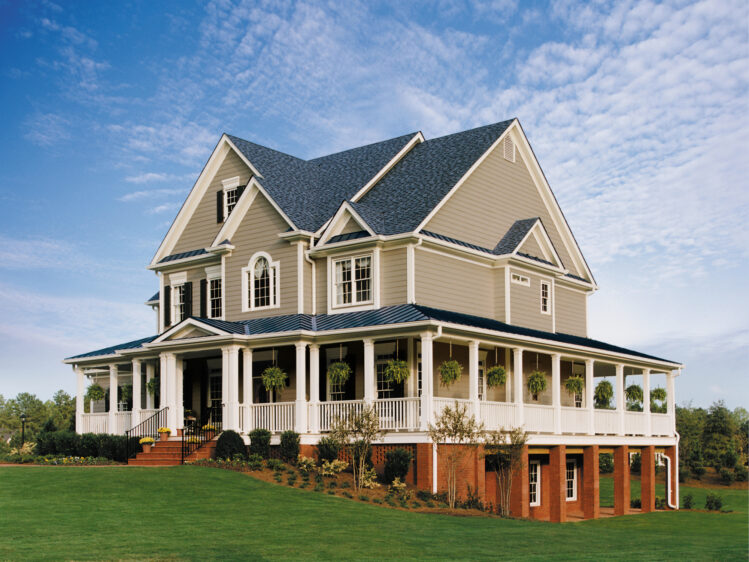
Accessible Beige sits between gray and traditional beige, with soft warm undertones. It avoids the yellow or overly tan appearance that can make some neutral tones feel outdated.
In direct sunlight, it reads light and welcoming. In shaded conditions, it deepens slightly while maintaining its warmth. That consistency helps create a predictable finish across different elevations.
Where Accessible Beige Works Best
Accessible Beige performs well across a range of applications, including:
- Traditional, transitional, and modern farmhouse home styles
- Warmer regional markets where gray feels too cool
- Multi-home developments that require cohesion across builds
- Full exterior applications or paired with white, bronze, or wood accents
See how Accessible Beige compares across profiles and applications → Explore Spectrum Colors
Why Builders Choose Accessible Beige
Neutral colors are often the safest choice, but they still need to feel intentional. Builders are looking for tones that appeal to a wide audience without limiting design flexibility.
Accessible Beige simplifies that process. It pairs easily with standard roofing, trim, and stone elements, reducing the need for constant palette adjustments. It also creates a softer, more inviting exterior that resonates with a broad range of buyers.
That balance makes it a strong option for projects focused on resale value and long-term appeal.
How Accessible Beige Compares to Other Exterior Colors
Accessible Beige offers a warmer alternative to cooler neutrals while maintaining flexibility across different applications.
- Looking for a cooler tone? Gray Cloud provides a balanced, modern gray
- Want stronger contrast? Iron Ore delivers a bold, darker finish
- Prefer a clean, bright palette? Pure White creates sharp definition
- Interested in bold color? Gale Force introduces depth with a muted blue tone
This makes Accessible Beige a reliable option for builders who want warmth without sacrificing versatility.
Why It Performs with Fiber Cement
A neutral color only works long term if the material behind it performs consistently.
Fiber cement supports durability with:
- Resistance to moisture, rot, and pests
- Stability in heat, humidity, and seasonal changes
- A finish that maintains consistent appearance across installations
This helps Accessible Beige retain its warmth and clarity well beyond the initial build.
Want to see how Accessible Beige looks in real conditions → Spectrum
The Allura Advantage
With Allura, the focus is on making reliable exterior choices easier to execute.
That means:
- Consistent product quality across orders
- Profiles that align cleanly during installation
- A color offering designed to work across real-world builds
The result is a smoother process from specification to final walkthrough, especially across multi-home developments.
Related Colors to Consider
- Gray Cloud → Balanced neutral for modern builds
- Pure White → Clean contrast and sharp architectural lines
- Iron Ore → Bold, high-contrast finish
- Gale Force → Controlled color with added depth
A Neutral That Feels Intentional
Choosing a neutral should not feel like settling. Accessible Beige offers a dependable way to introduce warmth, maintain flexibility, and support long-term performance across projects.
Ready to specify Accessible Beige for your next build? Connect with a rep to get started → Contact