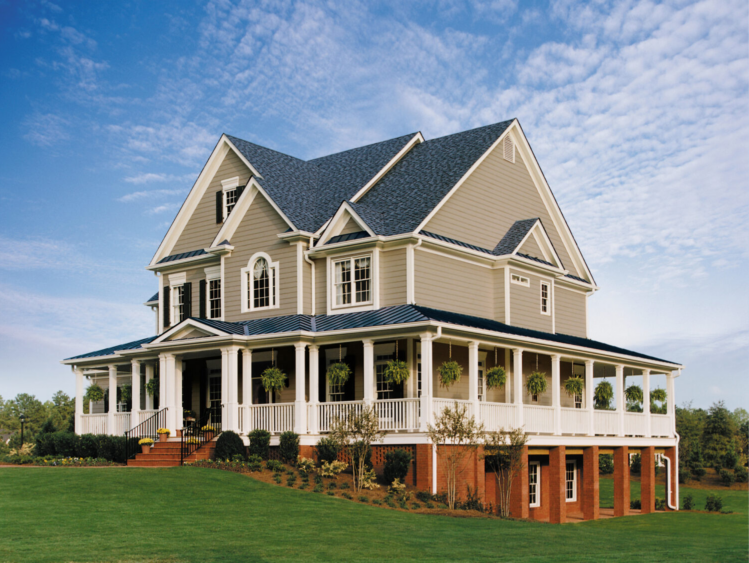
In building envelope design, fire performance is no longer just a box to tick at the end of the specification process.
Increasingly stringent building codes, growing concerns about wildfire exposure and heightened scrutiny of exterior wall assemblies have made fire-rated cladding a vital consideration for architects, builders and specifiers.
From commercial and multi-family to residential projects, fiber cement siding has become a preferred cladding solution for its durability, design flexibility and strong fire resistance.
However, code compliance isn't just about the cladding material itself: it depends on how the entire wall assembly performs, including insulation, framing, air barriers and attachment systems.
Below, we explore how modern building codes are evolving to address fire resistance and how to avoid common spec mistakes that can compromise a fiber cement building's fire integrity.
Understanding Fire-Resistance Ratings in Modern Building Codes
Fire-resistance ratings are designed to measure how long a building assembly can withstand exposure to fire while maintaining its structural integrity and limiting the spread of heat and flames.
These ratings aren't arbitrary; they're determined through standardized testing methods, such as ASTM E119 or ANSI/UL 263, which evaluate how long an assembly can perform under controlled fire conditions until failure occurs. Under Chapter 7 of the International Building Code (IBC), these test results inform the fire-resistance ratings required for walls and assemblies.
The IBC follows a three-year revision cycle, and the latest 2024 edition outlines updated requirements for fire-resistance-rated construction. Exterior wall requirements vary depending on factors such as:
Building height
Construction type
Occupancy classification
Fire separation distance
Local amendments and regional requirements
Importantly, modern codes don't focus on individual materials in isolation. Instead, they evaluate the performance of complete wall assemblies. This means a cladding product may contribute to fire performance, but compliance ultimately depends on the tested and approved assembly as a whole.
Why Fiber Cement Is Chosen for Non-Combustible Assemblies
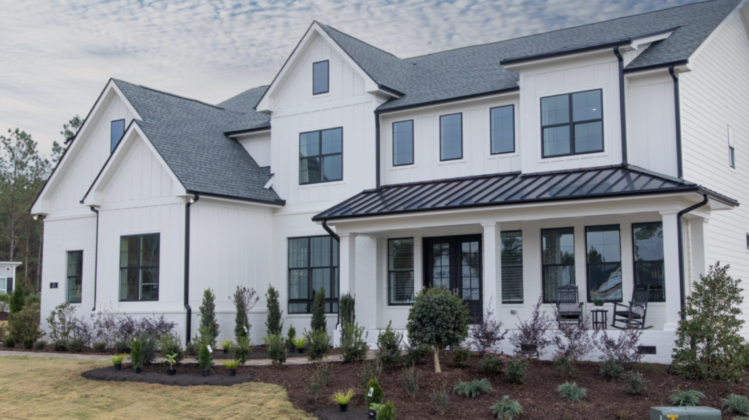
Fiber cement products have a unique composition, manufactured using a blend of cement, sand, cellulose fibers and water. Because they do not contain combustible wood content in the finished product, they are popular for projects requiring enhanced fire performance.
On top of resisting ignition, fiber cement provides several benefits for code-conscious designers:
Dimensional stability under heat exposure
Resistance to rot and insects
Compatibility with various rated wall assemblies
Suitability for wildfire-prone regions
Stands up to hail, high winds and extreme temperature fluctuations
Design flexibility for exterior finishes
All these characteristics have made fiber cement a common spec choice for homes, schools, multifamily developments, mixed-use projects and commercial buildings where fire performance is a primary motivation.
ASTM E136 and Class A Fire Ratings Explained
A common area that creates confusion is the distinction between non-combustibility (ASTM E136) and flame-spread ratings (Class A).
ASTM E136 is the standard test used to determine whether a material qualifies as non-combustible under the IBC. Materials that meet this standard do not significantly contribute to fire growth under test conditions.
Class A ratings refer to flame-spread performance measured under ASTM E84 or ASTM E108. A Class A material achieves a flame spread index between 0 and 25, which indicates limited surface flame propagation.
These two classifications are related, but not interchangeable. Understanding this distinction is important when specifying fire-rated cladding. Project requirements may reference one standard, both standards or further testing protocols at a more regional level.
Remember:
ASTM E136 evaluates whether a material is non-combustible.
Class A ratings evaluate how flames spread across a material’s surface.
Performance in Wildland-Urban Interface (WUI) Zones
WUI zones present unique challenges for exterior wall design. In these areas, buildings face elevated risks from airborne embers, radiant heat and direct flame exposure during wildfires.
Many jurisdictions have adopted additional requirements for wall assemblies in these areas. Fiber cement products are frequently specified because they don’t readily ignite when exposed to radiant heat or embers.
Local regulations vary, so designers should always verify compliance with state and municipal WUI requirements before finalizing specs. In wildfire-prone states, code provisions may exceed the baseline IBC requirements.
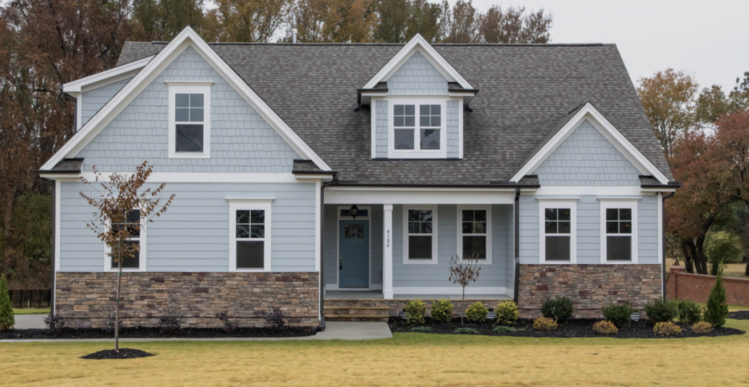
Designing Code-Compliant Wall Assemblies with Fiber Cement
Successful specification starts with a simple principle: products are not rated. Assemblies are.
A fiber cement panel or lap siding product may contribute to fire performance, but code compliance relies on the tested wall assembly. Changes to framing, insulation, sheathing or attachment methods can all affect performance and approval status.
Architects should always reference tested assemblies from approved listings and manufacturer documentation when specifying exterior wall systems.
1-Hour and 2-Hour Rated Exterior Wall Profiles
The most common fire-resistance ratings for exterior wall assemblies are 1-hour and 2-hour configurations.
1-hour is the industry standard for single-family homes and urban-density builds. 2-hour is used for higher-density requirements, multi-family construction or adjacent property-line building. This profile requires extra layers of fire-rated gypsum.
Typical rated assemblies may include a combination of:
Fiber cement cladding
Exterior gypsum sheathing
Fire-resistant insulation
Steel or wood framing
Interior gypsum board layers
Approved fastening systems
The required rating will depend on the building’s occupancy, construction type and location within the structure.
When reviewing assembly options, designers should verify that every component matches the tested assembly. Even seemingly minor substitutions can invalidate a fire-resistance rating.
Navigating NFPA 285 Testing for Multi-Story Buildings
NFPA 285 evaluates how fire spreads within and across wall assemblies containing combustible components. The test examines vertical and lateral flame propagation through the wall system and helps determine whether a particular assembly can be used on certain building types.
Again, passing NFPA 285 is about an entire wall assembly, not a single product. It includes cladding, insulation, air barriers and sheathing and must be tested as a system. This is a common source of specification errors.
NFPA 285 requirements demonstrate why assembly-level testing remains essential: fire behavior on multi-story buildings is driven by how multiple combustible materials interact, rather than their isolated properties.
Avoiding Design Errors That Compromise Fire Integrity
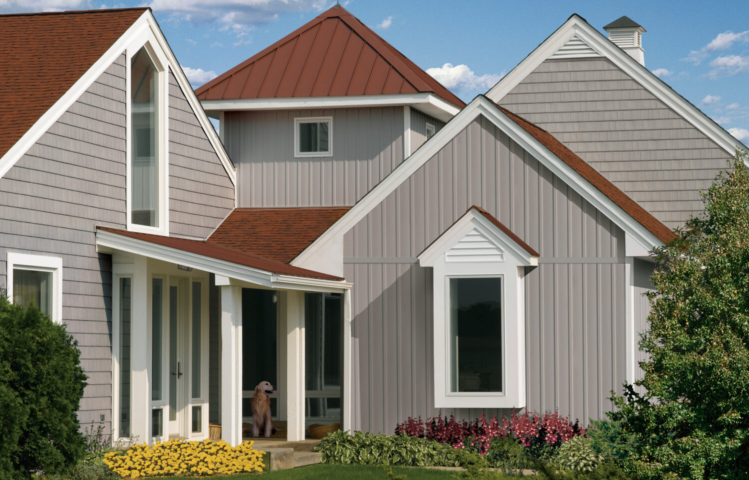
Even well-intentioned specifications can create compliance issues when critical details get overlooked. Explore the most common mistakes below.
Substituting Components After Testing
Value engineering changes made during construction can unintentionally alter a tested assembly. Replacing insulation, air barriers, fasteners or sheathing products may invalidate approved ratings.
Overlooking Penetrations
Mechanical, electrical and plumbing penetrations can weaken fire-resistant assemblies if they’re not properly detailed and protected with firestopping systems.
Misunderstanding Product Ratings
A non-combustible cladding product does not automatically create a fire-rated wall. The entire wall assembly must meet testing and code requirements.
Ignoring Regional Requirements
Projects in WUI zones, coastal jurisdictions or municipalities with local amendments may have requirements that exceed the IBC standards. Designers should verify local requirements before finalizing specifications.
Failing to Coordinate Early
Fire-performance requirements must be addressed during schematic design, not after product selection. Early coordination between architects, manufacturers, consultants and code officials will save a lot of headaches and costly redesigns.
Allura’s Fire-Rated Cladding: A Smart Investment
As building codes continue to evolve, achieving compliant, high-performance exterior walls requires more than just meeting a baseline; it requires partnering with proven material solutions.
At Allura, our fiber cement is engineered precisely to meet these rigorous modern standards.
By inherently blending durability and longevity with non-combustible characteristics, Allura products seamlessly integrate into tested, code-compliant wall assemblies. Specifying Allura means you don't have to compromise on design flexibility or aesthetic appeal to achieve the ultimate fire integrity your project demands.
Ready to simplify your next specification? Browse our product lineup or connect with our team today to access architectural details, tested assembly data and expert code-compliance support.